
Regrouting replaces the grout between tiles. Resealing replaces the silicone in corners, around fixtures and where tiles meet other surfaces, such as benchtops, baths and shower bases. Many jobs need both.

Regrouting & Resealingin Melbourne
Cracked, stained or mouldy grout and peeling silicone can make a perfectly sound shower look worn out. We regrout and reseal showers, bathrooms, kitchens and other tiled areas across Melbourne, and it's often all the tiles need.
Fully qualified
Floor & wall tilers
Old grout raked out
Not covered over
Grout colour advice
Chosen to suit your tiles
Keep the tiles.
Replace the grout.
Grout & silicone restoration
Restore the joints. Keep the tiles.
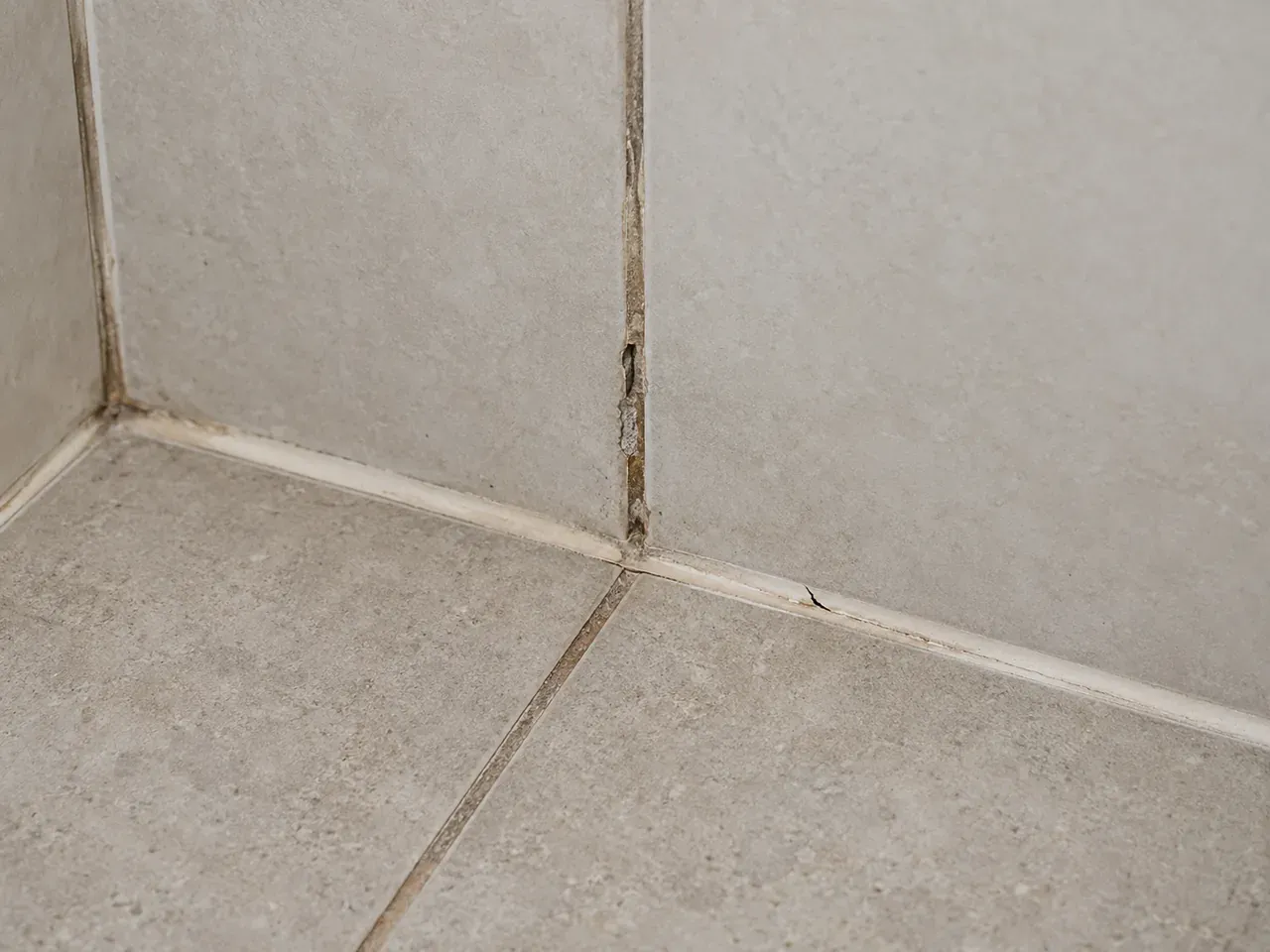
Grout and silicone take the most wear in any tiled area. Over time grout cracks, crumbles, stains or holds mould, and silicone splits, peels or comes away around showers, baths and benchtops.
When the tiles themselves are sound, regrouting and resealing can refresh the whole area for much less than retiling, and with far less mess. We remove the old grout, cut out the failed silicone and refill the joints with grout mixed with ARDEX Grout Booster.
Grout Booster is a polymer additive that goes into the grout in place of water. It contains ARDEX Grout Shield to help resist mould growth, which makes a real difference in showers and other damp areas. It also improves the grout's adhesion, flexibility and water resistance, so the joints hold up better to cracking, crumbling and everyday wear, and they're easier to keep clean.
We then seal the grout with a penetrating sealer. Rather than sitting on the surface as a coating, it soaks into the grout and seals it from within, so it won't peel or flake and doesn't change the colour or finish. Water, soap scum and spills sit on top instead of soaking in, which keeps the grout looking fresh for longer and makes cleaning quicker.
If regrouting isn't the right solution for your area, we'll explain why and talk you through the alternatives. Loose tiles, signs of a leak or ongoing movement are best addressed first, so the new grout and silicone can last as intended.
Fewer problems later.
Where we regrout & reseal

Showers & bathrooms

Silicone resealing
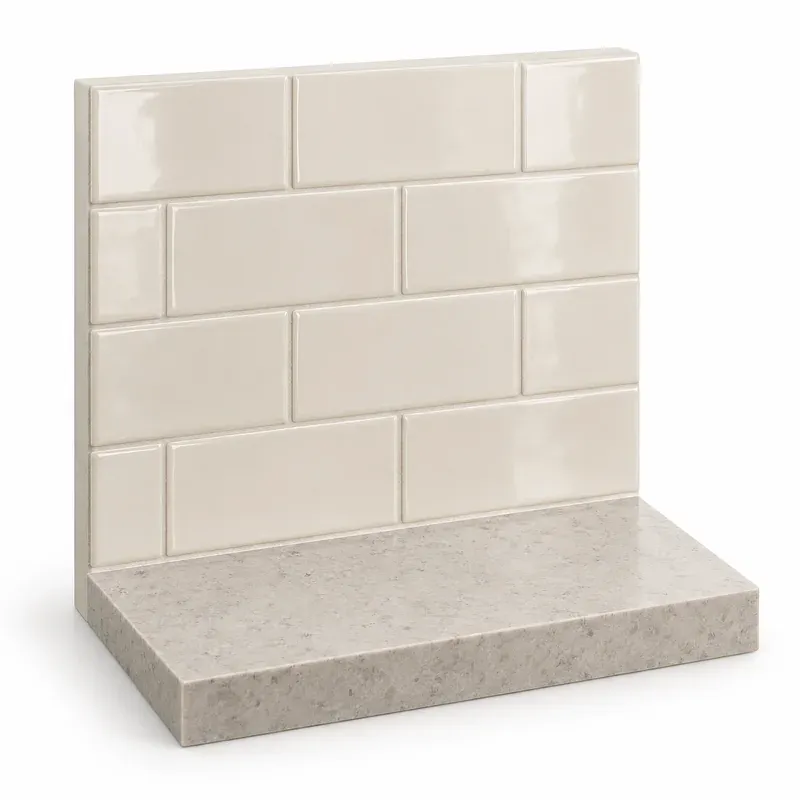
Kitchens & splashbacks
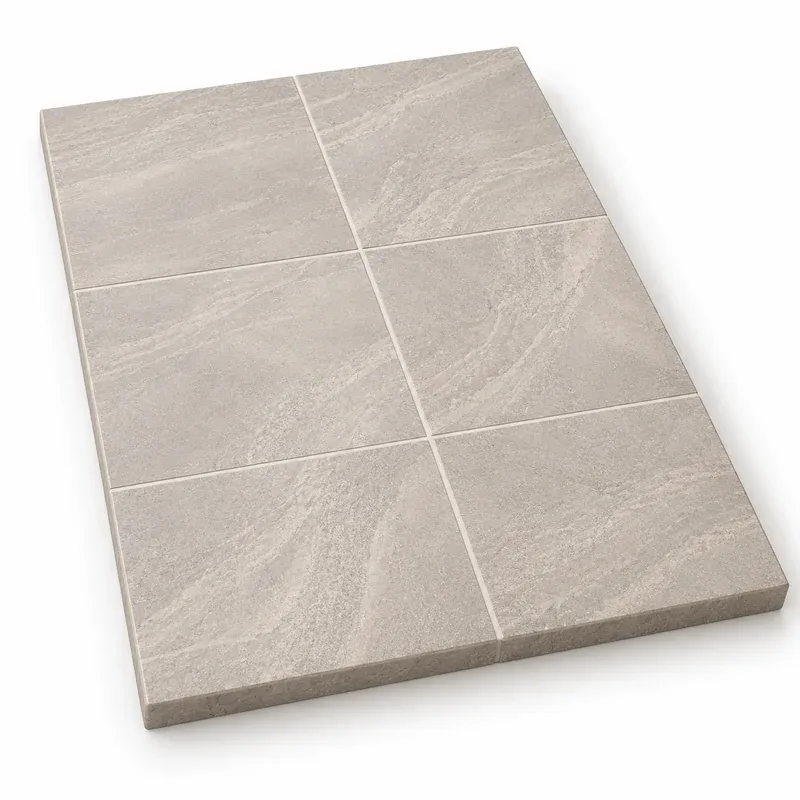
Floors & other tiled areas

Our approach
Careful removal. A neat new finish.
New grout only lasts if it goes into clean, sound joints. We remove the old grout and silicone without damaging the tiles, check the tiles around them and finish each joint to suit how the area is used.
- Check grout, silicone and tiles for cracks, movement or signs of moisture
- Rake out old grout to a suitable depth without chipping the tiles
- Remove old silicone and clean the joints before resealing
- Help you choose a grout colour that suits your tiles and the area
Advice first.
Then the work.
Our process
How a regrout works.
Most regrouting jobs are straightforward. Here's what to expect, from your first enquiry to using the area again.
Tell us about the area
Let us know where the problem is, what the grout or silicone looks like and when you first noticed it.
Check the joints
One of our technicians checks the grout, silicone and surrounding tiles and explains whether regrouting and resealing is the right solution.
Regrout & reseal
We replace the grout and silicone, clean up and let you know when the area is ready to use.
Frequently asked questions
Regrouting & Resealing FAQs
Mould that has worked its way into grout or silicone usually can't be cleaned out completely. Replacing the affected grout and silicone is the longer-lasting fix, and good ventilation helps stop it coming back.
It can help where water is getting through cracked grout or failed silicone. If the waterproofing under the tiles has failed or there's a plumbing fault, regrouting alone won't resolve it, and we'll explain the options. See leaking shower repairs for those cases.
It depends on the size of the area, how much grout and silicone needs replacing and the condition of the tiles. A single shower is a much smaller job than a whole bathroom floor. Quotes are free, so tell us about your grout and we'll provide a quote based on what the area needs.
Yes, and a regrout is a good opportunity to do it. We're happy to talk through the practical considerations: very light grout can show dirt more readily on floors, while a strong contrast draws attention to the joint lines. We'll help you choose a colour that suits your tiles and the look you'd like.
Cracked or loose tiles are best dealt with before regrouting, and individual tiles can often be replaced if a match is available. See cracked tile replacement.
Grout or silicone looking tired?
Tell us about your grout and silicone.
Let us know which area is affected and what you've noticed. We'll talk through whether regrouting and resealing is right for the area and provide a free quote.